
Instead of buying supercars or investing in extravagant projects, Max Verstappen quietly spent $2 million building a homeless shelter
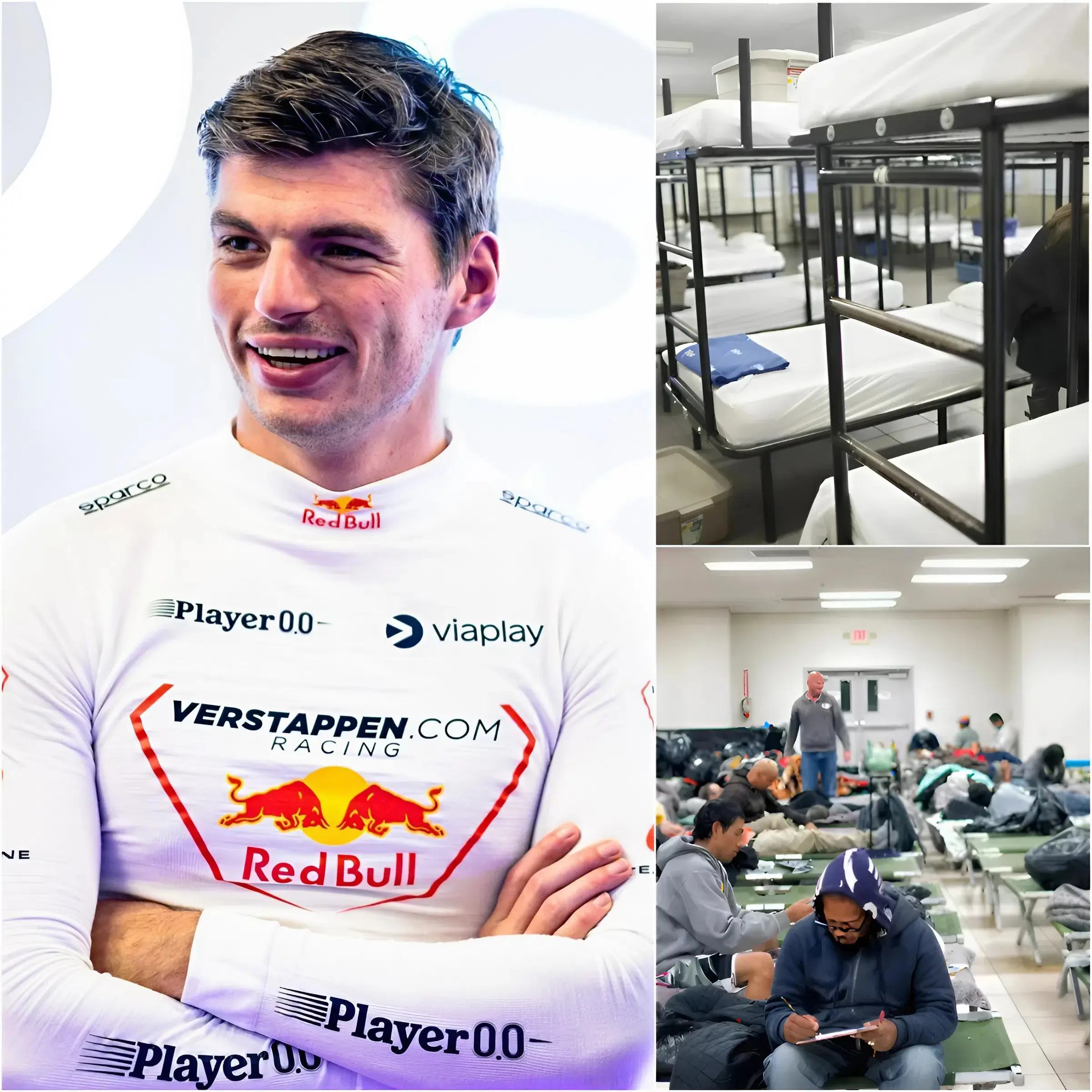
In an era when top athletes are often associated with luxury, extravagance and public self-aggrandizement, Max Verstappen has chosen a radically different path.
Without press conferences, without media campaigns, and without any visible need for recognition, the three-time Formula 1 world champion invested $2 million in the construction of a modern homeless shelter.
The project, which has now attracted international attention, shows a rarely seen side of a man known worldwide for his uncompromising competitiveness on the track.
Silence as a moral statement
While many athletes communicate their social engagement through social media or carefully orchestrated PR strategies, Verstappen opted for silence. Only after local authorities and volunteers confirmed the project did it become clear that the funding came from the Dutch driver himself.
The reception centre, located in his native region, comprises 150 apartments and 300 beds and is intended for people without a permanent residence, families in acute need and individuals in a socially vulnerable position.
According to those involved, Verstappen’s wish was clear: the project had to be functional, sustainable and humane — not a symbolic gesture, but a structural solution.
“If you can do it, you should do it”
In a rare personal statement, Verstappen explained what led him to this decision. “I’ve seen too many people endure cold winter nights without a safe roof over their heads.
“If you have the opportunity to make a difference, then you also have the responsibility to act.” This statement reflects an ethical conviction that goes beyond athletic achievement. It doesn’t view success as an end goal, but as a means to fulfilling social responsibility.
From youth center to charity project
A particularly emotional element of the story is Verstappen’s decision to buy back his childhood home — the place where his childhood, discipline and athletic development began — and transform it into a charity centre.
The building will serve as an additional facility for guidance, training and psychosocial support for residents of the shelter.
The symbolic weight of this choice is immense: a private space filled with memories is being repurposed into a public space of hope. For many, this is the most moving aspect of the initiative.
More than shelter: a vision on reintegration
The project isn’t limited to providing shelter. The reception center was designed with a clear reintegration philosophy in mind . In addition to housing, programs are offered for vocational training, mental health support, sports activities, and social counseling. The architectural design embraces a sustainable approach, with energy-efficient systems, shared spaces, and attention to privacy and dignity.
According to social policy experts, this project stands out because it does not view homelessness as a temporary problem, but as a structural social issue that requires a holistic approach.
Reactions from the sports world
The reaction from the international sports community was quick to come. Fellow drivers, former world champions, and sports commentators openly expressed their admiration. One former Formula 1 champion put it succinctly: “On the track, Max is ruthless. Off the track, he proves to be someone with an exceptional moral compass.”
The initiative was also praised outside the world of motorsport. Journalists and academics pointed out that Verstappen is breaking the stereotype of the egotistical top athlete.
The paradox of strength and compassion
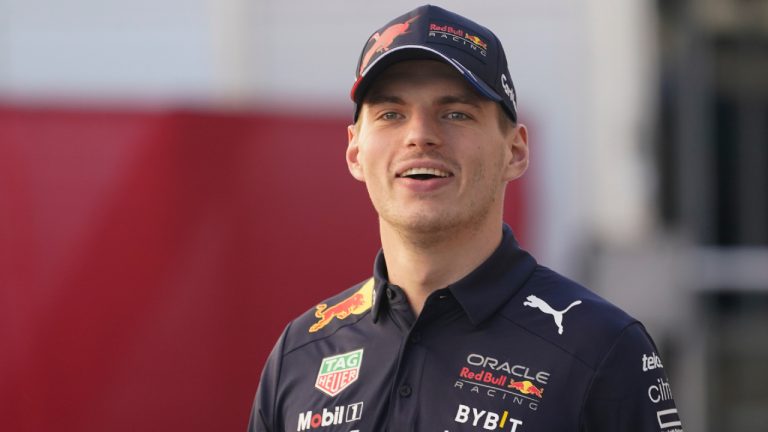
Max Verstappen is known as one of the most driven and mentally strong drivers in Formula 1 history. His aggressive driving style, uncompromising focus, and iron discipline have propelled him to the absolute top. That’s precisely why the contrast with his quiet philanthropy is so striking.
The story reveals a paradox: behind the toughness and competitive edge lies a deep-rooted empathy.
This combination of strength and compassion makes Verstappen a unique figure in contemporary sports culture.
Social impact at local level
Local governments and civil society organizations have confirmed that the reception center will have a significant impact on the region. Waiting lists for emergency shelters are long, and existing facilities face structural shortages.
According to the mayor of the municipality involved, the project is “not just an act of charity, but a catalyst for broader social cooperation.”
Volunteers, healthcare professionals and local residents have already signed up to actively contribute to the initiative.
No branding, no ego
It’s striking that Verstappen hasn’t named a foundation after himself and hasn’t demanded commercial visibility. His name doesn’t appear on facades or promotional materials. In an age when social responsibility is often used as a personal brand, he’s opting for the opposite: invisible impact .
This attitude is reminiscent of classical European notions of philanthropy, in which action is more important than recognition.
A new image of success
Max Verstappen’s story forces us to redefine success. Not just as sporting dominance or financial wealth, but as the extent to which someone is willing to use their position for the well-being of others.
His initiative shows that social responsibility is not a weakness, but a form of moral strength.
Conclusion: the golden heart behind the helmet
The construction of a homeless shelter and the transformation of his childhood home into a charity project demonstrate that Max Verstappen is more than just a Formula 1 champion. He’s an example of how influence, discipline, and success can translate into tangible social value.
Without noise, without applause, but with lasting impact, he reveals the “golden heart” behind the helmet of one of the greatest fighters in modern motorsport.
As the engines continue to roar on the track, this silent act perhaps speaks louder than any victory.